
You walk into Sephora or scroll through an online shop and there are dozens of vitamin C serums. Different forms of vitamin C. Different pH levels. Different price points. Some cost $8, others $180. And you just want something that actually works for your skin without causing breakouts or irritation.
Here is the problem: the best vitamin C serum for someone with dry, reactive skin is the worst choice for someone with oily acne-prone skin. And most guides online ignore this. They just list the “top 10 serums” as if one bottle fits everyone.
This guide cuts through that. You will learn exactly which form of vitamin C works for your skin type, what concentration to start with, and which specific serums are worth your money in 2026.
Why Vitamin C Is Not One Ingredient — The Three Forms That Matter
Vitamin C serums are not all the same. The molecule itself comes in different forms, and each form behaves differently on skin. This is the single most important thing to understand before buying.
L-Ascorbic Acid (LAA) is the pure, active form. It is the most researched and the most effective at stimulating collagen production and fading dark spots. But it is also the most unstable and irritating. It works best at a low pH (around 3.0-3.5), which can sting sensitive skin. You find LAA in serums like SkinCeuticals C E Ferulic ($182 for 30ml) and Timeless 20% Vitamin C + E Ferulic ($29.95 for 30ml).
Sodium Ascorbyl Phosphate (SAP) is a stable, water-soluble derivative. It converts to LAA once on the skin. It is gentler and works at a higher pH, so it stings less. Studies show it still boosts collagen and treats acne. You find SAP in serums like The Ordinary Ascorbyl Glucoside Solution 12% ($14.80 for 30ml).
Ascorbyl Glucoside is another stable derivative. It is the gentlest option, ideal for very reactive or rosacea-prone skin. It takes longer to show results but causes almost zero irritation. Isntree Vitamin C 23% Serum ($22 for 30ml) uses a blend that includes this form.
| Form of Vitamin C | Best For | Stability | Irritation Risk | Typical Concentration |
|---|---|---|---|---|
| L-Ascorbic Acid (LAA) | Normal, oily, resilient skin | Low (oxidizes fast) | High | 10%–20% |
| Sodium Ascorbyl Phosphate (SAP) | Acne-prone, combination skin | High | Low | 5%–12% |
| Ascorbyl Glucoside | Dry, sensitive, rosacea-prone | Very high | Very low | 2%–12% |
Verdict: If you have normal or oily skin and want maximum results fast, go with a LAA serum between 10-15%. If your skin is sensitive or acne-prone, pick SAP or Ascorbyl Glucoside. Do not start with 20% LAA — you will regret it.
Oily and Acne-Prone Skin — The SAP Advantage

If your skin produces enough oil to fry an egg by noon, a heavy, greasy vitamin C serum is a disaster waiting to happen. You need something lightweight that does not clog pores.
The research here is clear: Sodium Ascorbyl Phosphate has mild antibacterial properties against Cutibacterium acnes, the bacteria involved in acne. A 2011 study in the Journal of Drugs in Dermatology found that 5% SAP reduced acne lesions by 48% after 12 weeks. That is comparable to some benzoyl peroxide treatments, without the peeling.
For oily skin, the texture of the serum matters just as much as the ingredient. Look for water-gel or watery formulas. Avoid anything with shea butter, coconut oil, or a thick silicone base.
Our pick: Maelove Glow Maker ($28 for 30ml) uses a 15% LAA derivative blend with a very watery consistency. It absorbs in seconds and leaves zero residue. Another strong option is Geek & Gorgeous C-Glow ($12.50 for 30ml) — a 15% LAA serum with a thin, water-like texture. It is one of the few LAA serums that works for oily skin because it contains no oils.
Avoid: thick, creamy formulations like IT Cosmetics Bye Bye Dark Spots — they feel heavy and can trigger breakouts in oily skin types.
Dry and Sensitive Skin — Start Low, Go Slow
Dry skin has a compromised barrier. Applying a low-pH LAA serum directly on it is like pouring lemon juice on a paper cut. It will sting, turn red, and might even cause post-inflammatory hyperpigmentation — the exact thing you wanted to fix.
For dry and sensitive skin, concentration matters more than form. Even a gentle derivative can cause issues if the concentration is too high. Start with 5% or lower.
Our pick: Paula’s Choice C5 Super Boost Moisturizer ($49 for 20ml) is not a serum — it is a moisturizer with 5% Ascorbyl Glucoside. This is actually smarter for dry skin. You get vitamin C without an extra layer of product that might disrupt your moisture barrier. Apply it after your hydrating toner and before your occlusive moisturizer.
Another excellent option is Drunk Elephant C-Firma Fresh Day Serum ($78 for 30ml). It uses a 15% LAA blend but includes marula oil and pumpkin ferment extract to buffer the acidity. It is still LAA, so patch test first. But it is one of the few LAA serums that dry, reactive skin can tolerate.
Key rule for dry skin: Never apply vitamin C to bare, just-washed skin. Apply a hydrating toner first (like Hada Labo Gokujyun Premium Lotion, $15) to dampen the skin. This dilutes the serum slightly and reduces stinging.
The pH Problem — Why Your Serum Might Be Wasting Your Money
Here is something most articles skip. Vitamin C (specifically LAA) only works at a pH below 3.5. Above that, it cannot penetrate the skin effectively. But your skin’s natural pH is around 4.5-5.5. So you are applying an acidic product that temporarily disrupts your skin barrier.
This creates a tradeoff. A low-pH serum works better but irritates more. A higher-pH serum is gentler but less effective.
What this means for you:
- If you use a true LAA serum (pH ~3.0), wait 15-20 minutes before applying anything else. This gives the serum time to absorb and your skin time to rebalance its pH.
- Do not layer a low-pH vitamin C serum with other low-pH products (like glycolic acid toner). You will over-acidify your skin and get irritation.
- If your skin cannot tolerate low pH at all, skip LAA entirely. Use SAP or Ascorbyl Glucoside. They work at pH 5.5-7.0 and cause no disruption.
Most brands do not list pH on the bottle. You have to look it up. Timeless 20% Vitamin C + E Ferulic has a pH of 2.9. SkinCeuticals C E Ferulic sits at pH 3.0. The Ordinary Ascorbyl Glucoside 12% is pH 5.5. This is not marketing fluff — it directly affects how your skin responds.
Verdict: If you have never used vitamin C before, start with a derivative at pH 5.5 or higher. Move to LAA only if you want faster results and your skin can handle it.
Three Mistakes That Ruin Vitamin C Serums (And How to Avoid Them)
Most people buy a vitamin C serum, use it for two weeks, see no results, and blame the product. But the problem is almost always how they store or apply it.
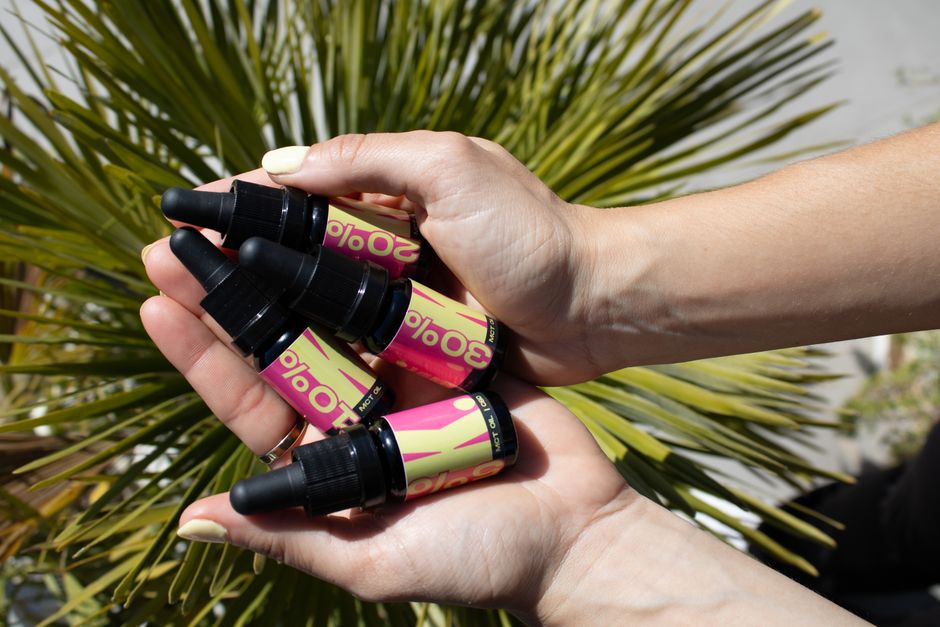
Mistake 1: Leaving it in sunlight. LAA is notoriously unstable. Light and air oxidize it within weeks. An oxidized serum turns brown or orange and actually generates free radicals instead of neutralizing them. Keep your serum in the original box, in a dark cabinet. Do not display it on your bathroom counter. The Timeless Vitamin C Serum comes in an opaque airless pump bottle for exactly this reason — it is a better design than the dropper bottles most brands use.
Mistake 2: Using too much. Vitamin C is not a moisturizer. Three to four drops is enough for your entire face. Using more does not give better results — it just increases irritation and wastes product. A 30ml bottle should last 2-3 months with daily use.
Mistake 3: Expecting overnight results. Collagen synthesis takes time. You will not see visible brightening for at least 4-6 weeks. Dark spots take 8-12 weeks to fade. If a serum promises instant results, it is probably using optical diffusers or niacinamide to create a temporary brightening effect — not actual vitamin C.
One more thing: do not mix vitamin C with niacinamide in the same routine. Old research suggested they cancel each other out. Newer research shows they can be used together if formulated correctly, but it is safer to use vitamin C in the morning and niacinamide at night. This avoids any potential interaction and gives each ingredient its own space to work.
When to Skip Vitamin C Entirely (And What to Use Instead)

Vitamin C is not mandatory. If your skin is severely compromised — think active eczema, rosacea flare-ups, or a damaged moisture barrier from over-exfoliation — adding an active serum will make things worse.
Skip vitamin C if:
- Your skin stings when you apply basic moisturizer
- You have active, open wounds or broken skin from acne or procedures
- You are using prescription retinoids (tretinoin, adapalene) and your skin is still peeling
In these cases, focus on barrier repair first. Use a ceramide-rich moisturizer like Illiyoon Ceramide Ato Concentrate Cream ($15 for 200ml) or La Roche-Posay Cicaplast Baume B5 ($16 for 40ml) for 4-6 weeks. Once your skin stops stinging and feels resilient, introduce vitamin C slowly.
If you cannot tolerate any form of vitamin C but still want antioxidant protection, consider niacinamide or CoQ10. The Ordinary Niacinamide 10% + Zinc 1% ($5.80) is a stable, non-irritating antioxidant that also controls oil and strengthens the barrier. It is not a direct replacement for vitamin C — it does not boost collagen the same way — but it provides significant protection against environmental damage.
Here is the bottom line. The best vitamin C serum is the one you will actually use consistently. That means it has to feel good on your skin, not sting, and fit your budget. For most people with normal to oily skin, the Maelove Glow Maker ($28) offers the best balance of efficacy, texture, and price in 2026. For dry or sensitive skin, the Paula’s Choice C5 Super Boost ($49) is a safer starting point. And if your skin is angry right now, skip the serum entirely and fix your barrier first. The vitamin C will still be there when you are ready.