
You stand in the skincare aisle, two bottles in hand. One says 10% Benzoyl Peroxide. The other says 2% Salicylic Acid. Both promise clear skin. Which one do you pick?
The wrong choice means weeks of irritation with zero results. The right one clears your skin in days. Here is exactly how they differ, and who should reach for which.
How Each Ingredient Actually Attacks Acne
These two ingredients do not work the same way. Understanding the mechanism is the difference between fixing your acne and making it worse.
Benzoyl Peroxide: The Bacteria Killer
Benzoyl peroxide is a powerful oxidizer. When it touches your skin, it releases oxygen. This oxygen kills Cutibacterium acnes, the bacteria that live inside clogged pores. No bacteria, no inflammatory pimples.
It also peels off the top layer of dead skin cells. This helps unclog pores already blocked. The effect is fast — you often see results in 3 to 5 days.
But it is aggressive. Concentrations range from 2.5% to 10%. Higher does not mean better. Studies show 2.5% works almost as well as 10% but causes far less redness and peeling.
Salicylic Acid: The Pore Unclogger
Salicylic acid is a beta hydroxy acid (BHA). It is oil-soluble. That means it can penetrate deep into your pores, past the sebum and dead skin blocking them. Once inside, it dissolves the glue holding dead cells together. The pore clears from the inside out.
It does not kill bacteria directly. It removes the environment where bacteria thrive. This makes it better for blackheads and whiteheads — non-inflamed bumps. It is also anti-inflammatory, which helps calm red pimples.
Typical OTC strength is 0.5% to 2%. Higher concentrations are available by prescription.
Quick Verdict: Who Should Use What

This section is short. Read it carefully.
You want benzoyl peroxide if: you have red, swollen, pus-filled pimples. Cystic acne. Inflamed breakouts that hurt. Benzoyl peroxide stops bacterial growth fast.
You want salicylic acid if: your face is covered in blackheads, whiteheads, and small clogged pores. You rarely see big red bumps. Salicylic acid keeps pores clear over time.
You want both if: you have a mix of blackheads and red pimples. Use them at different times of day. Benzoyl peroxide in the morning, salicylic acid at night. Or alternate days. Do not layer them together — that is a fast track to a damaged skin barrier.
Common Mistakes That Ruin Results
Most people fail because they use these ingredients wrong. Not because the ingredients do not work.
Mistake 1: Starting too strong. A 10% benzoyl peroxide gel on day one will burn your face off. Start with 2.5% or 4%. For salicylic acid, start with a 0.5% toner or 1% cleanser. Build up.
Mistake 2: Using them on broken skin. Both ingredients sting if you apply them over popped pimples or raw spots. Wait until the wound heals. Otherwise you get more redness, not less.
Mistake 3: Skipping moisturizer. Both ingredients dry out skin. A good moisturizer like CeraVe PM Facial Moisturizing Lotion or La Roche-Posay Toleriane Double Repair Face Moisturizer keeps the barrier intact. Dry skin produces more oil, which clogs more pores. It is a vicious cycle.
Mistake 4: Expecting overnight results with salicylic acid. It takes 4 to 6 weeks to see significant improvement. Benzoyl peroxide works faster, but salicylic acid is a long game. People quit too early.
When NOT to Use These Ingredients
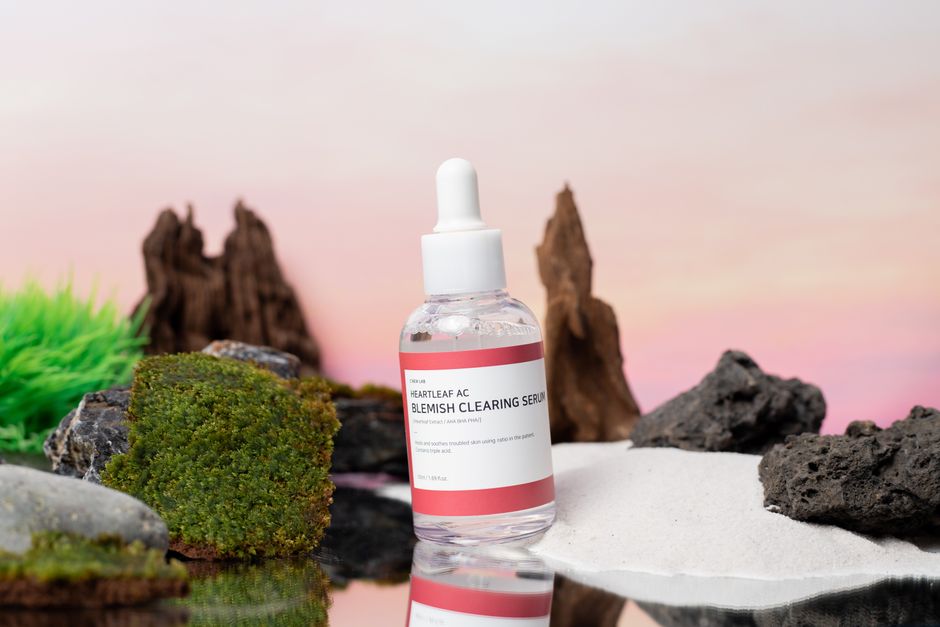
Sometimes the best acne treatment is no acne treatment. Here is when to put the bottle down.
Do not use benzoyl peroxide if: you have very dry or eczema-prone skin. It will crack your skin barrier within days. Also avoid it if you are using prescription retinoids like tretinoin. The combination can cause severe peeling. And it bleaches fabric — towels, pillowcases, dark shirts. Keep that in mind.
Do not use salicylic acid if: you are allergic to aspirin (it is chemically related). Also skip it if your acne is purely hormonal — deep, cystic bumps along the jawline. Salicylic acid cannot reach deep enough to fix those. You need a dermatologist for hormonal acne.
Alternatives to consider: Azelaic acid (brands like The Ordinary or Paula’s Choice) works for redness and pigmentation without the irritation. Niacinamide (CeraVe PM or The Ordinary Niacinamide 10%) controls oil and strengthens the barrier. For stubborn cases, adapalene gel (Differin 0.1%) is now OTC and beats both benzoyl peroxide and salicylic acid for comedonal acne.
Benzoyl Peroxide vs. Salicylic Acid: Side-by-Side Comparison
| Feature | Benzoyl Peroxide | Salicylic Acid |
|---|---|---|
| How it works | Kills bacteria, peels skin surface | Dissolves pore-clogging debris, anti-inflammatory |
| Best for | Inflamed pimples, cysts, pustules | Blackheads, whiteheads, clogged pores |
| Speed of results | 3–5 days | 4–6 weeks |
| Common strength (OTC) | 2.5% to 10% | 0.5% to 2% |
| Side effects | Redness, peeling, bleaching of fabrics | Dryness, mild stinging, sun sensitivity |
| Best product example | Neutrogena Stubborn Acne AM Treatment (2.5%) | Paula’s Choice Skin Perfecting 2% BHA Liquid Exfoliant |
| Can be used with retinol? | No — too irritating together | Yes, on opposite nights |
Your Skin, Your Choice
Back to that aisle. You now know the difference.
If your face has angry red bumps that hurt to touch, grab the benzoyl peroxide. Start with 2.5% from Neutrogena or La Roche-Posay Effaclar Duo. Use it once a day. Moisturize after.
If your face is covered in blackheads and tiny bumps, grab the salicylic acid. The Paula’s Choice 2% BHA Liquid is the gold standard. Use it every other night. Wait 15 minutes before moisturizer.
If you have both, use them separately. Benzoyl peroxide in the morning. Salicylic acid at night. And if your skin starts peeling, back off. You are not failing — you are learning what your skin needs.