
The outermost layer of facial skin is often only about 10 to 20 micrometers thick, yet that thin shield controls how much water escapes from your face. When autumn air turns cold and dry, I notice the damage first as tight cheeks, flaky nose folds, stinging around the mouth, and makeup that suddenly looks cracked. My verdict is simple: repair the barrier before adding more active ingredients.
Why Autumn Strips the Skin Barrier
Cold air changes the water balance
Skin does not become dry only because temperatures drop. Indoor heating lowers humidity, cold wind increases evaporation, and hot showers remove some of the oils that help hold water inside the outer skin layer. Add a foaming cleanser, a retinoid, or daily exfoliation, and the barrier starts losing more water than it can replace.
The barrier works like a brick wall. Corneocyte cells act as the bricks, while ceramides, cholesterol, and fatty acids form the mortar. That mortar keeps irritants out and moisture in. When it thins, products that felt gentle in July can sting in October. Water may burn. A familiar moisturizer may suddenly feel useless. This does not always mean an allergy; it often means the wall needs time and lipids.
How to tell dryness from irritation
Dryness usually feels tight, rough, or flaky and improves after applying a bland cream. Irritation brings burning, persistent redness, itching, swelling, or small rash-like bumps. Acne treatments, fragrance, essential oils, and strong acids can turn mild autumn dryness into irritation.
My experienced-user rule is to judge the skin before judging the product. If your face stings when plain water touches it, stop chasing glow and simplify the routine for at least a week. A cleanser, moisturizer, and sunscreen can do more for recovery than five new serums.
Ceramides, Oils, and Acids: What Each One Does
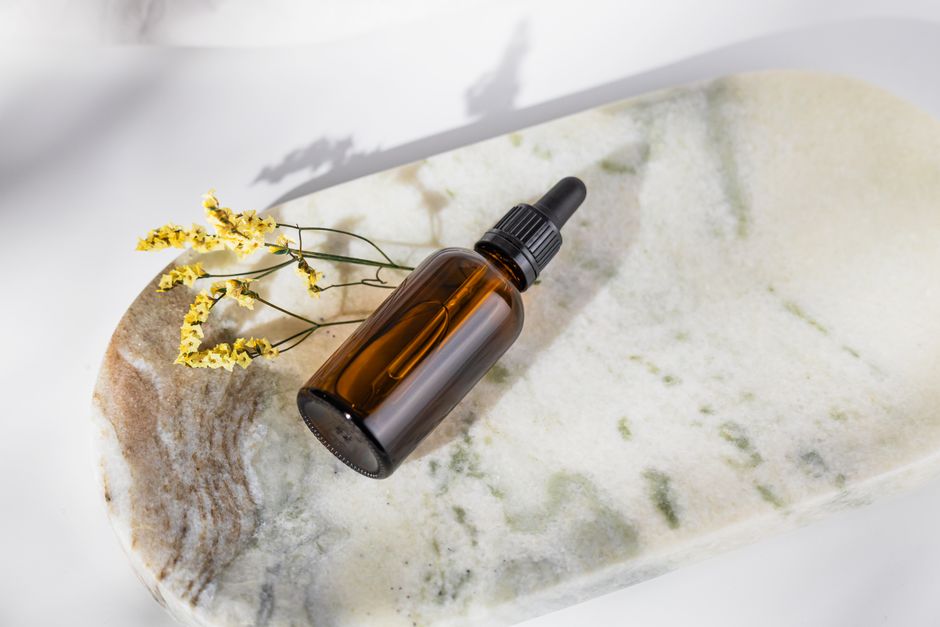
Ceramides should form the base of an autumn routine. Oils can reduce water loss, but they do not replace a water-based moisturizer. Gentle acids can smooth flakes, but they are the easiest step to misuse. The table below is how I separate the jobs.
Match the ingredient to the problem
| Ingredient | Useful strength or amount | Best timing | Main job | Common mistake |
|---|---|---|---|---|
| Ceramides | Use a fragrance-free cream 1 to 2 times daily | Morning and night | Replace part of the barrier’s lipid mortar | Buying a light gel when skin needs a cream |
| Squalane or jojoba oil | 1 to 3 drops over moisturizer | Night, mainly on dry zones | Slow water loss and soften rough patches | Using oil alone on completely dry skin |
| Mandelic or lactic acid | 5% to 10%, once weekly at first | Night, only on calm skin | Loosen surface flakes and improve texture | Applying it to cracked or burning skin |
| Petrolatum | A pea-sized layer on small patches | Night or during windy days | Create a strong protective seal | Coating the whole face when congestion is a concern |
My clear ingredient verdict
Ceramides are the best first purchase for autumn dryness because they support the structure that has been weakened. Oils are useful finishing layers, especially for cheeks and around the nose. Acids are optional. If removing flakes makes your skin feel smoother for one day but redder for three days, the acid is costing more than it gives.
A 14-Day Autumn Barrier Repair Routine
My verdict: use a boring routine for 14 days before deciding that your skin needs a stronger treatment. The goal is not instant radiance. The goal is less tightness, fewer flakes, and no stinging after cleansing.
Days 1 to 3: remove the triggers
- Cleanse at night for about 30 seconds with lukewarm water. In the morning, rinse with water unless sunscreen or oil buildup requires a gentle cleanser.
- Apply moisturizer while skin is slightly damp, within two minutes of washing. This gives the cream water to hold onto.
- Pause scrubs, cleansing brushes, retinoids, vitamin C powders, exfoliating toners, and all acids.
- Keep showers under 10 minutes and avoid water that turns the face red.
Days 4 to 14: add protection, not complexity
- Continue the same cleanser and moisturizer. Add a thin oil layer only to areas that still feel rough.
- Use broad-spectrum SPF 30 or higher each morning. Autumn sun still contributes to irritation and dark marks.
- Track three signs: tightness after washing, stinging when applying moisturizer, and visible flaking. Improvement in two of three signs means the routine is working.
- Only after seven calm days, test one gentle acid on a small area once at night. Wait 48 hours before using it again.
Do not change cleanser, moisturizer, acid, and oil on the same weekend. If your skin reacts, you will not know which product caused it. Patch testing on the jaw or behind the ear also gives useful information, though it cannot predict every facial reaction.
Which Barrier Products Are Worth Buying?

My top pick for most dry autumn skin is CeraVe Moisturizing Cream, not an expensive repair serum. The official US page lists the cream at $14.99, and it combines three essential ceramides with a rich, non-greasy texture for normal-to-dry skin. It is the best value when the problem is tightness across the whole face.
What is the best simple moisturizer?
For very sensitive skin, I would choose Vanicream Daily Facial Moisturizer. It contains five ceramides, squalane, hyaluronic acid, and no botanical extracts or essential oils. The texture is lighter than a body cream, so it works under sunscreen and makeup. It is my better choice than a heavily fragranced “natural” balm when your skin reacts easily.
What should cover cracked or over-treated areas?
La Roche-Posay Cicaplast Balm B5+ is the heavy-duty option. The official site lists it at $32.99 and highlights 5% panthenol; the formula also uses dimethicone to reduce water loss. I use it as a thin night layer on the corners of the nose, lips, and irritated cheek patches, not as an automatic full-face cream.
Which gentle acid is worth adding later?
The Ordinary Mandelic Acid 10% + HA costs $7.80 on the US brand site and is the acid I would pick for someone who wants mild texture improvement after the barrier settles. Mandelic acid has a larger molecule than glycolic acid, so it tends to feel less aggressive, but 10% can still sting. Use it once weekly, never on cracked skin, and never on the same night as a retinoid.
Do not buy all four products at once. Start with one moisturizer. Add a rescue balm only if dry patches remain, then consider an acid only when your skin feels normal for a full week.
When to Stop Exfoliating and See a Dermatologist

Burning is not proof that an acid is working. My verdict is firm: if your face burns for more than a few minutes, stop the active and return to cleanser, moisturizer, and sunscreen. A stronger product cannot repair damage caused by using too many strong products.
Signs you should pause every active
- Plain water stings or leaves the face bright red.
- Moisturizer burns instead of soothing the skin.
- Flaking appears around the mouth, nostrils, eyelids, or hairline.
- Small itchy bumps spread after adding a new product.
- The skin feels hot, swollen, or tender for more than 24 hours.
When acids are the wrong solution
Do not use an acid to scrape away flakes caused by eczema, contact dermatitis, windburn, or over-cleansing. The flakes are a symptom, not a layer that needs polishing off. An oil may soften them, and a cream may protect them, but persistent rash-like symptoms need proper assessment.
The autumn buying rule I trust
Spend first on a plain moisturizer with ceramides or other barrier-supporting lipids. Buy an oil only if you need extra sealing power. Buy a gentle acid only after your skin has stopped complaining.
The single most important takeaway is this: autumn skin barrier repair starts with less irritation and a reliable ceramide moisturizer, while oils and acids play supporting roles.