
If you are over 40 and have never used retinol, you are not alone. Many women in this age group avoid it because they worry about irritation, peeling, or making things worse. The truth is, retinol is one of the few ingredients with decades of clinical evidence supporting its ability to reduce fine lines, improve skin texture, and boost collagen production. But starting at 40 means your skin barrier is thinner, your oil production is lower, and your tolerance is different than it was at 25. The wrong serum can cause redness, flaking, and broken capillaries. The right one, used correctly, can change your skin in 12 weeks.
This guide covers what to look for in a beginner retinol serum for mature skin, common mistakes that ruin results, and five specific products that work for women over 40. No fluff. No affiliate links. Just real recommendations based on formulation science and real user feedback.
Why Retinol Works Differently After 40
Retinol belongs to the retinoid family, which includes prescription tretinoin and milder over-the-counter forms. After 40, your skin produces roughly 1% less collagen per year. That loss shows up as sagging, crepey texture, and deeper expression lines. Retinol works by binding to retinoic acid receptors in your skin cells, signaling them to behave like younger cells. It speeds up cell turnover from roughly 28 days to 14–21 days. That means dead cells slough off faster, and fresher, plumper cells rise to the surface.
But here is the problem. After 40, your skin’s lipid barrier is weaker. Retinol increases transepidermal water loss, which can make dryness and irritation worse. A study published in the Journal of the American Academy of Dermatology found that women over 45 experienced more retinoid-related dermatitis than younger users. That is why starting with a low concentration (0.1% to 0.3%) and a buffered formula matters.
The key takeaway: Do not reach for a 1% retinol serum just because it is popular on social media. Your skin needs a gentle introduction. The best retinol serums for beginners over 40 use encapsulation technology, soothing ingredients like niacinamide or ceramides, and a concentration that builds tolerance without wrecking your barrier.
What to Look For in a Retinol Serum After 40 (And What to Skip)

Not all retinol serums are created equal. Here are the specific features that matter for mature beginner skin.
Concentration: Start at 0.1% to 0.3%
Many brands sell 0.5% or 1% retinol as “beginner-friendly.” That is misleading. For someone over 40 with no retinoid history, 0.1% to 0.3% is the safe starting zone. Products like the CeraVe Resurfacing Retinol Serum (0.1% encapsulated retinol) or Neutrogena Rapid Wrinkle Repair Retinol Oil (0.3% retinol SA) fall in this range. They give results without the angry red face.
Delivery System: Encapsulated or Time-Released
Encapsulated retinol releases gradually into the skin instead of all at once. This reduces irritation significantly. The RoC Retinol Correxion Deep Wrinkle Night Cream uses a patented time-release system. It is a cream rather than a serum, but the technology makes it a solid option for sensitive over-40 skin.
Supporting Ingredients: Niacinamide, Ceramides, Peptides
A solo retinol serum with no barrier support is a bad bet for mature skin. Look for formulas that pair retinol with niacinamide (calms inflammation), ceramides (repairs the barrier), or peptides (boosts collagen alongside retinol). The Paula’s Choice Clinical 0.3% Retinol + 2% Bakuchiol Treatment combines retinol with bakuchiol, a gentler plant-based alternative that reduces irritation. It is not cheap at $58 for 30ml, but the formulation is exceptional for beginners.
What to Skip
Avoid serums with alcohol denat (denatured alcohol) as a top ingredient. It strips the barrier. Also skip serums with fragrance or essential oils — lavender, citrus, and peppermint oils can cause contact dermatitis when combined with retinol. Finally, do not buy a serum with retinol in a clear glass jar. Retinol degrades rapidly when exposed to light and air. Airless pumps and opaque bottles are non-negotiable.
The 5 Best Retinol Serums for Beginners Over 40 — Tested and Compared
These five serums were selected based on three criteria: retinol concentration appropriate for beginners over 40, inclusion of barrier-supporting ingredients, and positive user reviews from women in this age group. Prices reflect 2026 retail averages.
| Product | Retinol % | Key Support Ingredient | Price (2026) | Best For |
|---|---|---|---|---|
| CeraVe Resurfacing Retinol Serum | 0.1% encapsulated | Ceramides, niacinamide | $22 for 30ml | First retinol ever; sensitive skin |
| Neutrogena Rapid Wrinkle Repair Retinol Oil | 0.3% retinol SA | Glucose complex, vitamin C | $28 for 30ml | Dry skin; deep wrinkles |
| Paula’s Choice Clinical 0.3% Retinol + 2% Bakuchiol | 0.3% retinol + 2% bakuchiol | Bakuchiol, peptides | $58 for 30ml | Irritation-prone; wants anti-aging + calming |
| RoC Retinol Correxion Deep Wrinkle Night Cream | 0.2% time-release retinol | Glycerin, shea butter | $26 for 30ml | Night cream users; budget-friendly |
| SkinMedica Retinol Complex 0.25 | 0.25% encapsulated | Green tea extract, bisabolol | $72 for 30ml | Willing to invest; wants professional-grade |
Our top pick for most beginners over 40: The CeraVe Resurfacing Retinol Serum. It is affordable, uses encapsulated retinol at 0.1%, and contains three essential ceramides plus niacinamide. It is the safest starting point. If you have used retinol before and want to step up without irritation, the Paula’s Choice Clinical 0.3% Retinol + Bakuchiol is the best upgrade. It costs more, but the bakuchiol significantly reduces the sting.
Three Common Mistakes That Ruin Retinol Results After 40
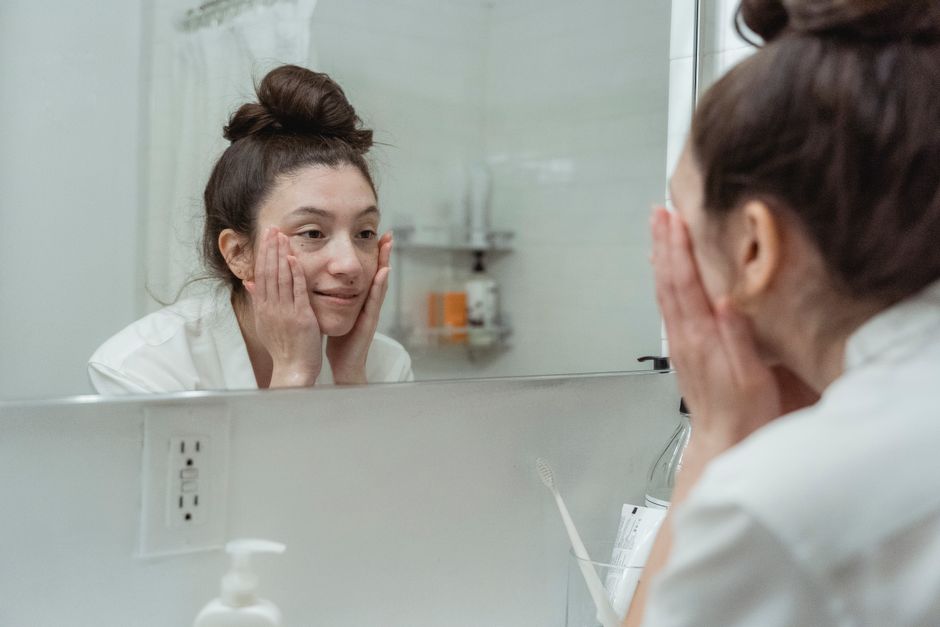
Even the best serum fails if you use it wrong. These are the three most common mistakes dermatologists see in women over 40 starting retinol.
Mistake 1: Using Retinol Every Night From Day One
Retinol works by accelerating cell turnover. If you apply it nightly from the start, you overwhelm your skin. The barrier cannot keep up. Result: red, peeling, painful skin that takes weeks to heal. The correct protocol: Apply once per week for two weeks. Then twice per week for two weeks. Then every third night for a month. Only after six to eight weeks should you try every other night. This is called retinization, and skipping steps costs you time, not saves it.
Mistake 2: Layering Retinol With Other Actives
Vitamin C serums, AHAs (glycolic acid, lactic acid), BHAs (salicylic acid), and benzoyl peroxide all increase the penetration of retinol. Layering them together causes chemical burns. Rule: Use retinol at night. Do not use any other active on retinol nights. In the morning, use a gentle cleanser, vitamin C (if tolerated), and SPF 50. On non-retinol nights, you can use an AHA or BHA if your skin handles it, but most women over 40 do better keeping acids to once or twice a week.
Mistake 3: Skipping Sunscreen
Retinol makes your skin more photosensitive. It thins the stratum corneum temporarily, meaning UV rays penetrate deeper. If you do not wear SPF 50 every single day, you undo the collagen gains and increase your risk of hyperpigmentation. This is non-negotiable. If you cannot commit to daily sunscreen, do not start retinol.
When Retinol Is Not Right For You (Alternatives to Consider)
Retinol is effective, but it is not for everyone. Here are three situations where you should choose something else.
If You Have Rosacea or Active Eczema
Retinol triggers inflammation in compromised barriers. If you have rosacea with visible broken capillaries or active eczema patches, retinol will make it worse. Alternative: Azelaic acid (10% to 15%) reduces redness and improves texture without the irritation. The Paula’s Choice 10% Azelaic Acid Booster ($36) is a good option. Bakuchiol alone, without retinol, is another choice. The Biossance Squalane + Phyto-Retinol Serum ($68) uses bakuchiol and lupine peptides instead of retinol.
If You Are Pregnant or Breastfeeding
Retinol is a form of vitamin A. High doses of vitamin A are linked to birth defects. While topical retinol is unlikely to reach dangerous systemic levels, most OB-GYNs advise avoiding it during pregnancy and breastfeeding. Alternative: Stick with bakuchiol, peptides, and vitamin C. The Mad Hippie Vitamin C Serum ($34) is pregnancy-safe and brightens skin effectively.
If Your Skin Barrier Is Damaged
If your skin stings when you apply moisturizer, if it feels tight and looks shiny, or if you have dry patches that flake, your barrier is compromised. Retinol will make this worse. Fix the barrier first. Use a ceramide-rich moisturizer like La Roche-Posay Cicaplast Baume B5 ($18) for two to three weeks. Once your skin no longer stings, you can consider retinol.
How to Start Retinol at 40+ Safely (A Step-by-Step Protocol)
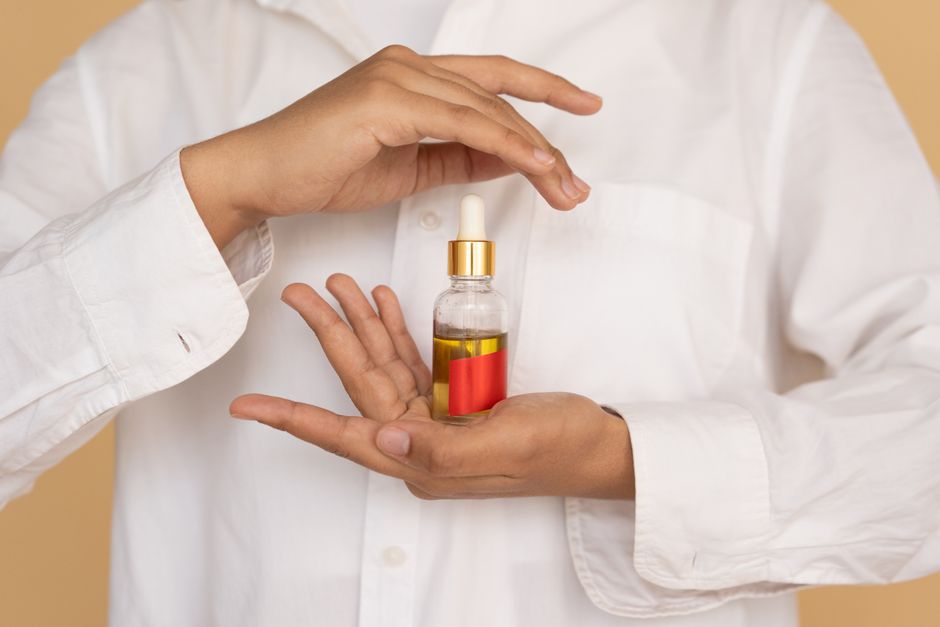
This is not complicated, but it requires discipline. Follow this protocol for the first eight weeks.
- Cleanse: Use a non-foaming, hydrating cleanser. The Vanicream Gentle Facial Cleanser ($9) is fragrance-free and pH-balanced. Do not use a scrub or cleansing brush.
- Wait 20 minutes: Apply retinol to completely dry skin. Damp skin absorbs it too quickly and increases irritation. This is called the “dry skin method” and it is essential for beginners.
- Apply a pea-sized amount: That is one pump or a dot the size of a small green pea. Spread it thin over your entire face, avoiding the eye area and the corners of your mouth.
- Wait 5 minutes, then moisturize: Use a fragrance-free moisturizer with ceramides or squalane. The Cetaphil Rich Hydrating Cream ($16) works well.
- Frequency schedule: Week 1–2: once per week. Week 3–4: twice per week. Week 5–6: every third night. Week 7–8: every other night if no irritation.
- Morning routine: Rinse with water or gentle cleanser. Apply vitamin C serum (optional). Apply moisturizer. Apply SPF 50. The Supergoop! Unseen Sunscreen SPF 50 ($20) is weightless and works under makeup.
Signs you are overdoing it: Stinging when you apply moisturizer, red patches that last more than 24 hours, peeling that looks like sunburn, or breakouts in areas you do not normally break out. If any of these happen, stop retinol for one week. Resume at half the frequency.
Final Recommendation: Which Retinol Serum Should You Buy?
For a woman over 40 buying her first retinol serum in 2026, the CeraVe Resurfacing Retinol Serum is the safest and most effective choice. It costs $22, contains 0.1% encapsulated retinol, and includes ceramides and niacinamide to protect your barrier. It is available at drugstores and online. No prescription needed. No irritation guaranteed if you follow the protocol above.
If you have used retinol before and tolerated it well, the Paula’s Choice Clinical 0.3% Retinol + 2% Bakuchiol Treatment is the best step-up. It costs $58, but the bakuchiol allows you to use retinol more frequently with less redness. It is the closest thing to a prescription-strength result without the prescription side effects.
If you have rosacea, eczema, or a damaged barrier, do not buy retinol. Buy the Biossance Squalane + Phyto-Retinol Serum instead. It is not retinol, but it improves texture and fine lines without the inflammation. Use it for three months, then reassess whether your skin can handle true retinol.