
Recent data from the Centers for Disease Control and Prevention indicates that approximately 6 million children in the United States have received an ADHD diagnosis. This figure represents nearly 10% of the pediatric population, a statistic that has steadily climbed over the last two decades. As families navigate the complexities of neurodiversity, a significant shift toward integrative medicine has occurred. Many are looking beyond—or alongside—traditional pharmaceutical interventions to explore how specific micronutrients influence cognitive function and behavioral regulation. The search for the best supplements for kids with ADHD is often driven by a desire to address underlying nutritional gaps that may exacerbate symptoms like impulsivity, emotional dysregulation, and distractibility.
Research into the pediatric brain suggests that ADHD is not merely a behavioral challenge but a complex neurological state involving neurotransmitter signaling, particularly dopamine and norepinephrine. When we examine the efficacy of supplements, we are looking at how these substances act as co-factors in enzymatic reactions or how they alter the structural integrity of neuronal membranes. This is not about a quick fix. It is about biological optimization. The following analysis examines the current clinical landscape for the most frequently recommended supplements, prioritizing those with the strongest evidentiary support and high-quality manufacturing standards.
Evaluating Omega-3 Fatty Acids for Cognitive Focus
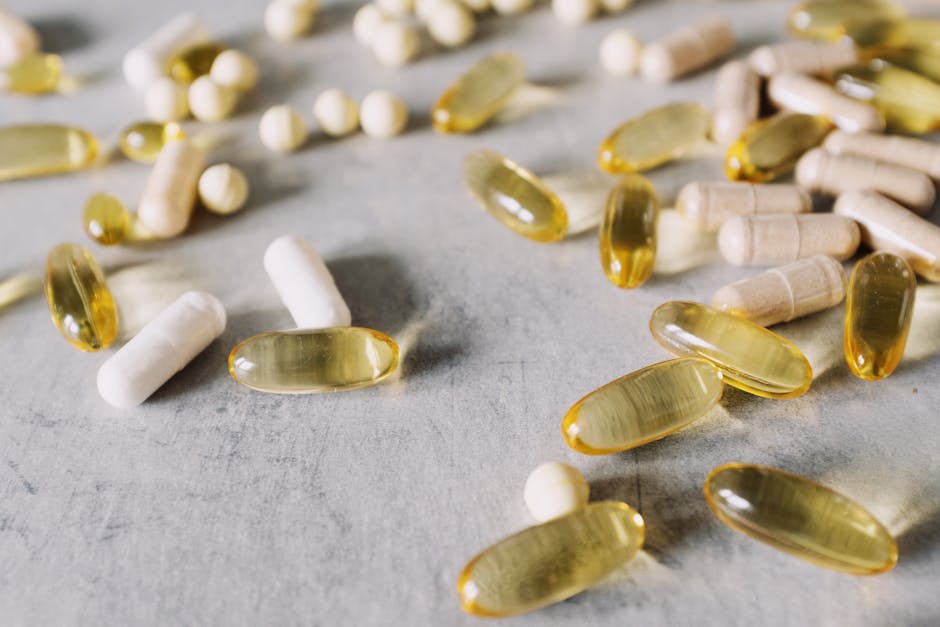
Omega-3 fatty acids, particularly eicosapentaenoic acid (EPA) and docosahexaenoic acid (DHA), are perhaps the most extensively studied supplements in the context of ADHD. The human brain is approximately 60% fat, and long-chain polyunsaturated fatty acids are critical components of cell membranes. In children with ADHD, several meta-analyses have identified lower systemic levels of Omega-3s compared to neurotypical peers. The mechanism of action is thought to involve the fluidity of the cell membrane, which directly impacts how effectively neurotransmitters can bind to receptors. If the membrane is rigid due to a lack of healthy fats, signaling slows down.
Comparison of Top Omega-3 Products for Children
| Product Name | Primary Benefit | Approx. Price | Key Pro | Key Con |
|---|---|---|---|---|
| Nordic Naturals Ultimate Omega Junior | High EPA Concentration | $28.00 | Third-party purity tested | Softgel size can be tricky for younger kids |
| Barlean’s Omega Pals Chirpin’ Slurpin’ Lemonade | High Bioavailability (Emulsion) | $22.00 | Excellent taste for picky eaters | Contains more additives for flavor |
| Thorne Omega-3 with CoQ10 | Purity and Potency | $40.00 | Pharmaceutical grade | Higher price point per serving |
When selecting an Omega-3, the ratio of EPA to DHA matters. Most researchers suggest that a higher ratio of EPA is more effective for the inflammatory and signaling issues associated with ADHD. A 2017 meta-analysis published in Neuropsychopharmacology found that doses of EPA exceeding 500mg per day showed the most significant improvement in symptoms. Parents should look for products that specify “triglyceride form” rather than “ethyl ester,” as the former is more readily absorbed by the digestive tract. Nordic Naturals Ultimate Omega Junior remains a standard recommendation because it provides 640mg of total Omega-3s in a manageable dose, though the strawberry flavoring, while natural, doesn’t entirely mask the fishy aftertaste for extremely sensitive children.
A common pitfall in Omega-3 supplementation is under-dosing. Many “gummy” vitamins contain negligible amounts of EPA/DHA—often less than 50mg—which is insufficient to reach therapeutic levels in the brain.
The Role of Magnesium and Zinc in Neurotransmitter Regulation

Magnesium and zinc are essential minerals that act as co-factors for over 300 enzymatic reactions in the body, many of which are centralized in the brain. Zinc is involved in the synthesis of dopamine, the primary neurotransmitter targeted by stimulant medications. Low zinc levels have been correlated with decreased responsiveness to ADHD medications, suggesting that the mineral is necessary for the drug to function optimally. Magnesium, on the other hand, is often referred to as the “calming mineral.” It regulates the HPA axis (the body’s stress response system) and helps modulate the NMDA receptor, which prevents over-excitation of the nervous system.
Zinc Supplementation: Garden of Life Vitamin Code Kids
Garden of Life Vitamin Code Kids (approx. $22.00) is a whole-food-based zinc supplement. It provides a moderate dose of zinc (approx 5mg) alongside a blend of fruits and vegetables. The primary advantage here is the inclusion of live probiotics and enzymes which may aid digestion. However, a notable disadvantage is that it requires two chewable tablets to reach the full dose, which might be a hurdle for children who dislike the chalky texture common in whole-food vitamins.
Magnesium Selection: Thorne Magnesium Bisglycinate
For magnesium, the form is critical. Magnesium oxide is poorly absorbed and often causes diarrhea. Magnesium bisglycinate is generally preferred for its high bioavailability and its ability to cross the blood-brain barrier without causing significant gastrointestinal distress. Thorne Magnesium Bisglycinate (approx. $48.00) is a powder that can be dissolved in water. It is unflavored and highly pure. The pro is its clinical-grade efficacy; the con is the price and the fact that some children may notice the slightly metallic taste if not mixed into a flavored beverage like juice or a smoothie.
It is worth considering the timing of these minerals. Zinc is often better tolerated in the morning with food to prevent nausea, while magnesium is frequently administered in the evening to support sleep hygiene. Sleep disturbances are a frequent comorbid issue in ADHD, and magnesium’s ability to support GABA production can facilitate a more restful night, which in turn improves daytime focus. The data on zinc is particularly compelling for children with specific dietary restrictions, such as those on vegan or highly processed diets where zinc bioavailability is low.
Iron Deficiency and Its Impact on ADHD Symptom Severity
Iron is a fundamental component in the production of dopamine. Specifically, it is a co-factor for tyrosine hydroxylase, the enzyme that converts tyrosine into dopamine. Research published in the Archives of Pediatrics and Adolescent Medicine found that children with ADHD had significantly lower ferritin levels (a measure of iron stores) than those without the condition. Interestingly, the study noted that the lower the ferritin level, the more severe the ADHD symptoms were. This suggests that for some children, what looks like ADHD might be a manifestation of subclinical iron deficiency.
However, iron is a supplement that requires extreme caution. Unlike Omega-3s or Vitamin C, iron can be toxic if taken in excess. It is not a supplement that should be started based on a hunch. A simple blood test for serum ferritin is necessary before beginning any iron regimen. If a deficiency is confirmed, a product like NovaFerrum Pediatric Drops (approx. $26.00) is often recommended. It is a polysaccharide-iron complex, which is generally better tolerated by the stomach and less likely to cause constipation than ferrous sulfate. The major pro is the liquid form, allowing for precise dosing. The con is that it can stain teeth if not followed by water or brushing.
When iron stores are optimized, many parents report a reduction in “restless legs” and improved sleep quality, both of which are common in the ADHD population. The goal is typically to bring ferritin levels into the mid-range (above 30 ng/mL), though some practitioners target even higher levels for neurodevelopmental support. Monitoring must be ongoing, as iron levels can fluctuate with growth spurts and dietary changes. This is a clear example of where the deep researcher must prioritize safety and clinical data over anecdotal evidence.
Probiotics and the Gut-Brain Axis in Pediatric ADHD
The emerging field of psychobiotics explores how the microbiome influences brain health through the gut-brain axis. The vagus nerve serves as a bidirectional superhighway between the enteric nervous system and the central nervous system. In children with ADHD, there is often an observed imbalance in gut flora, sometimes characterized by an overgrowth of certain bacteria and a lack of diversity in others. This imbalance can lead to increased intestinal permeability, often referred to as “leaky gut,” which allows inflammatory markers to enter the bloodstream and potentially affect brain function.
Specific strains of probiotics, such as Lactobacillus rhamnosus and Bifidobacterium longum, have shown promise in reducing anxiety and improving focus in preliminary studies. Klaire Labs Ther-Biotic Children’s Chewable (approx. $55.00) is a high-potency probiotic designed specifically for the pediatric gut. It contains 25 billion CFUs across eight different strains. The pro is the comprehensive strain profile and the lack of common allergens like dairy or gluten. The con is the requirement for refrigeration, which makes it less convenient for travel or busy households.
The relationship between the gut and the brain is complex. Probiotics may work by modulating the production of short-chain fatty acids (SCFAs), which have neuroprotective properties. Furthermore, a healthy microbiome is essential for the absorption of the very vitamins and minerals—like zinc and magnesium—discussed earlier. If the gut is inflamed, even the highest quality supplements will not be effectively utilized. This highlights the importance of a foundational approach to wellness where digestive health is considered the bedrock of cognitive performance. While the research is still in its infancy compared to Omega-3s, the potential for probiotics to serve as a low-risk, high-reward intervention is significant.
Vitamin D: The Sunshine Vitamin and Neurodevelopment

Vitamin D is more than a vitamin; it functions as a pro-hormone that influences the expression of over 1,000 genes, including those involved in the synthesis of neurotransmitters. Several studies have found that children with ADHD have lower levels of Vitamin D than neurotypical children. Vitamin D receptors are located throughout the brain, including areas responsible for executive function and emotional regulation. A deficiency in Vitamin D during critical periods of brain development may alter the architecture of the brain, potentially contributing to the symptoms of ADHD.
Supplementing with Vitamin D3 (cholecalciferol) is generally considered the most effective way to raise serum levels. Thorne Vitamin D Liquid (approx. $25.00) offers a simple way to adjust dosage based on a child’s specific needs. One drop typically contains 500 or 1,000 IU. The advantage is the lack of fillers and the ease of administration—it can be dropped directly onto food or a spoon. The disadvantage is that, like iron, it is possible to take too much, so periodic testing of 25-hydroxy Vitamin D levels is recommended to ensure the child stays within the optimal range of 40-60 ng/mL.
The trade-offs with Vitamin D are minimal, provided dosing is monitored. It is a cost-effective intervention with broad systemic benefits beyond the brain, including immune support and bone health. However, it is not a stimulant and will not produce an immediate effect on focus. The benefits of Vitamin D are cumulative, often taking weeks or months of consistent supplementation to manifest in behavioral changes. For the deep researcher, Vitamin D represents a foundational piece of the puzzle—a necessary but perhaps not sufficient component of a comprehensive ADHD management plan.
Ultimately, the best supplements for kids with ADHD are those that address the specific, measurable deficiencies of the individual child. There is no universal “ADHD pill,” even in the world of natural medicine. A strategy that combines high-quality Omega-3s for membrane health, magnesium and zinc for neurotransmitter support, and probiotics for gut-brain communication offers a multi-faceted approach to supporting the neurodiverse brain. By focusing on purity, bioavailability, and clinical dosing, parents can provide their children with the nutritional resources necessary to thrive in a demanding world.