
You wake up feeling a bit rundown. Throat scratchy. Head feels fuzzy. You have a packed week ahead: client meetings, project deadlines, family commitments. The thought of getting sick right now? Absolutely not an option. You need to stay sharp, focused, and on top of your game. But your body feels like it’s fighting something, and you’re not sure how to give it the backup it needs. This isn’t just a physical inconvenience; it’s a productivity drain, a mental hurdle, and a source of constant stress.
Ignoring these early signs is a recipe for a full-blown cold or flu, sidelining you when you can least afford it. The good news is, you don’t need a complicated regimen or expensive supplements to support your immune system. What you eat, and how you eat it, plays a monumental role. Think of your food choices as daily deposits into your body’s defense fund. We’re going to break down exactly what those deposits should look like, focusing on specific, everyday foods that pack a powerful punch.
Foundational Nutrients Your Immune System Demands Daily
Building a robust immune system starts with ensuring you get key vitamins and minerals consistently. These aren’t just ‘nice-to-haves’; they are essential raw materials your body uses to produce immune cells, antibodies, and protective enzymes. Without them, your defenses are already compromised before you even face a challenge. This is about giving your body the fundamental tools it needs to do its job, day in and day out.
Vitamin C: Beyond the Orange
Everyone thinks of oranges for Vitamin C, and they’re right to an extent. However, many other foods offer even higher concentrations. Vitamin C is a powerful antioxidant, protecting your cells from damage and boosting the production of white blood cells, which are critical for fighting infections. Aim for a consistent intake rather than just mega-dosing when you feel sick. Your body doesn’t store large amounts, so daily replenishment is key.
- Bell Peppers: One cup of chopped red bell pepper provides nearly three times the Vitamin C of an orange. Slice them into salads or snack on them raw.
- Kiwis: Two small kiwis offer more Vitamin C than an orange. They’re also rich in other antioxidants.
- Broccoli: Steam or lightly roast broccoli. It’s not just for Vitamin C; it also provides Vitamin K and fiber.
- Strawberries: A delicious source, easy to add to yogurt or smoothies.
Forget the orange juice solely. Diversify your Vitamin C intake with these powerhouses. Your immune cells will thank you.
Zinc: The Unsung Hero
Zinc is often overlooked, but it’s crucial for immune cell development and function. It helps regulate immune response and has an anti-inflammatory effect. A deficiency in zinc can significantly impair your immune system, making you more susceptible to infections. Getting enough zinc is particularly important during cold and flu season.
- Oysters: By far one of the best sources. Even a small serving provides a massive dose.
- Lean Beef: A good, accessible source. Three ounces of lean beef can provide a significant portion of your daily recommended zinc.
- Lentils and Beans: Plant-based options like lentils, chickpeas, and black beans offer respectable amounts of zinc, perfect for vegetarian diets.
- Pumpkin Seeds: A convenient snack or salad topping, these seeds are packed with zinc. Just a quarter cup gives you a good boost.
Make sure you’re integrating these zinc-rich foods regularly. It’s a small effort for a big immune benefit.
Vitamin D: The Sunshine Vitamin, Even Indoors
Often called the ‘sunshine vitamin,’ Vitamin D is vital for regulating immune function. Many people, especially those in less sunny climates or who spend most of their time indoors, are deficient. This deficiency can lead to a weaker immune response and increased susceptibility to respiratory infections. While sunlight is the primary source, dietary intake can help bridge the gap, particularly in winter months.
- Fatty Fish: Salmon, mackerel, and tuna are excellent dietary sources of Vitamin D. Aim for two servings a week.
- Fortified Milk and Cereals: Many dairy and non-dairy milks, as well as some breakfast cereals, are fortified with Vitamin D. Check labels for specific amounts.
- Egg Yolks: While not as high as fatty fish, egg yolks contribute a small but meaningful amount of Vitamin D.
Consider your lifestyle and geographic location when assessing your Vitamin D needs. Food sources are a great start, especially when sun exposure is limited.
Your Plate’s Powerhouses: Top Immune-Boosting Food Categories

Beyond individual nutrients, certain food categories consistently deliver a broad spectrum of immune-supporting compounds. These aren’t just about one vitamin; they offer a synergistic blend of antioxidants, anti-inflammatory compounds, and essential micronutrients. Incorporating these into your daily meals provides a holistic defense strategy, ensuring your body is well-equipped to face various threats.
-
Citrus Fruits and Berries
These vibrant fruits are packed with Vitamin C and a host of other beneficial antioxidants, like flavonoids, that help protect cells from damage. They are also generally high in fiber, which supports gut health, a cornerstone of immunity.
- Oranges: Classic choice, easy to peel and eat.
- Grapefruits: Also rich in Vitamin C, but check for medication interactions.
- Lemons and Limes: Squeeze into water, over salads, or into your cooking.
- Blueberries: High in antioxidants called anthocyanins, which may have immune-boosting properties. Add to oatmeal or yogurt.
- Raspberries and Blackberries: Excellent sources of fiber and Vitamin C, great for snacking or desserts.
Make these a regular part of your breakfast or snack routine. They’re delicious and incredibly effective.
-
Leafy Greens
Spinach, kale, and other dark leafy greens are nutritional powerhouses. They’re rich in Vitamin C, Vitamin A (beta-carotene), Vitamin K, folate, and numerous antioxidants. These nutrients work together to reduce inflammation and support the optimal functioning of immune cells. They are low in calories but dense in everything your body needs.
- Spinach: Versatile. Sauté it, add to smoothies, or mix into eggs.
- Kale: Robust and nutrient-dense. Massage with olive oil for salads, or bake into crispy chips.
- Swiss Chard: Offers a slightly milder flavor than kale, great in stir-fries.
- Arugula: Peppery taste, excellent in salads or as a pizza topping.
Aim for at least one large serving of leafy greens daily. They are fundamental to overall health and immune resilience.
-
Garlic and Ginger
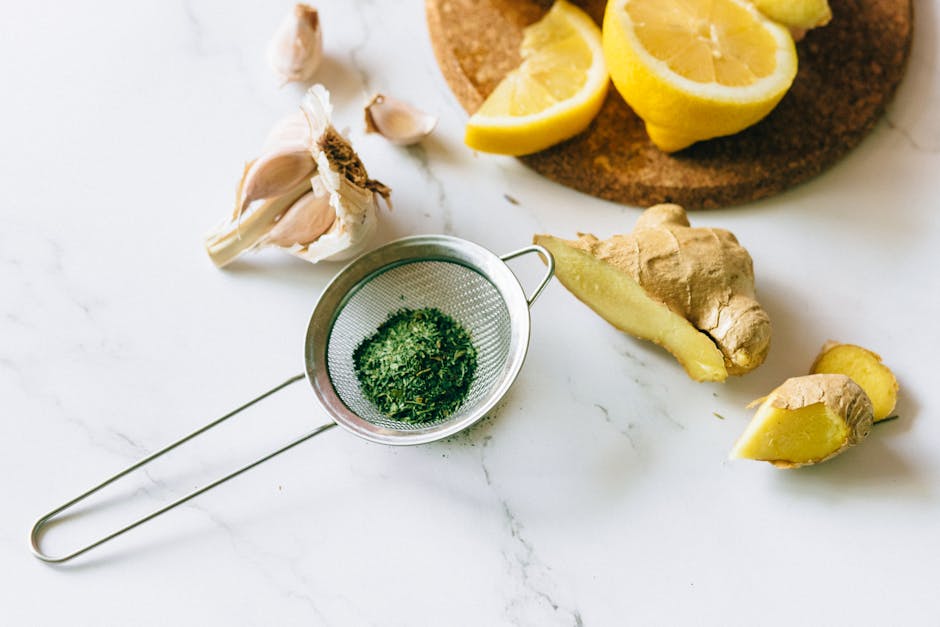
These two culinary staples are far more than just flavor enhancers; they are potent immune modulators. Both have long been used in traditional medicine for their medicinal properties, particularly their ability to fight off infections and reduce inflammation. They contain unique compounds that directly interact with your immune system.
- Garlic: Contains allicin, a compound with well-documented antibacterial, antiviral, and antifungal properties. Crush or chop garlic and let it sit for a few minutes before cooking to maximize allicin formation. Add to almost any savory dish.
- Ginger: Rich in gingerols, which are powerful anti-inflammatory and antioxidant compounds. It can help soothe a sore throat and reduce nausea. Brew fresh ginger tea, add grated ginger to stir-fries, or blend into smoothies.
Don’t be shy with these. Incorporate them liberally into your cooking, especially during colder months. They are a natural shield.
Comparing Immune Support: Whole Foods vs. Processed Options
When it comes to boosting your immune system, the source of your nutrients matters significantly. You have choices in the grocery store, and understanding the difference between whole, unprocessed foods and their processed counterparts is critical. Whole foods provide a complete package of nutrients – vitamins, minerals, fiber, and phytonutrients – that work synergistically. Processed options, while sometimes fortified, often lack this complexity and can even contain ingredients that undermine health.
Consider this quick comparison:
| Nutrient Source | Key Benefits for Immunity | Potential Downsides for Immunity |
|---|---|---|
| Fresh Berries (Whole Food) | High in Vitamin C, antioxidants (anthocyanins), fiber. Supports gut health and cellular protection. | None, when consumed fresh and in season. |
| Berry-Flavored Cereal (Processed) | May be fortified with some vitamins. | Often high in refined sugars, artificial flavors, and preservatives. Can contribute to inflammation and gut dysbiosis, weakening immune response. |
| Spinach (Whole Food) | Excellent source of Vitamin A, C, K, folate, iron, and fiber. Reduces inflammation, supports immune cell function. | None, when properly washed and prepared. |
| Pre-packaged “Spinach Dip” (Processed) | Potentially contains some spinach. | Often high in unhealthy fats, sodium, and artificial ingredients. These can promote systemic inflammation and may negatively impact gut microbiome diversity. |
| Lentils (Whole Food) | Rich in zinc, fiber, protein, and B vitamins. Supports gut health, blood sugar regulation, and immune cell development. | Requires cooking time. |
| Canned “Hearty Bean Soup” (Processed) | Convenient, may contain some legumes. | Often excessively high in sodium, preservatives, and sometimes added sugars. High sodium intake can negatively affect immune cell function and overall health. |
The Cost of Convenience
The allure of convenience foods is strong, especially for busy professionals. However, the cost to your immune system can be substantial. Processed foods, often laden with refined sugars, unhealthy fats, and excessive sodium, contribute to chronic inflammation in the body. This constant inflammatory state diverts resources from your immune system, making it less effective at fighting off actual threats. The gut microbiome, which plays a pivotal role in immunity, can also suffer from a diet high in processed items and low in fiber. Choosing whole foods means you’re not just avoiding harmful additives; you’re actively providing your body with the complete nutritional toolkit it needs to thrive. It’s a direct investment in your long-term health and resilience, far outweighing the momentary convenience of a pre-packaged meal.
Don’t Just Eat, Hydrate: The Critical Role of Fluids

Here’s a bold statement: You can eat all the immune-boosting foods in the world, but if you’re not adequately hydrated, your body’s defense system will still struggle. Dehydration impairs almost every bodily function, and your immune system is no exception. It affects the transport of nutrients to cells, the removal of waste products, and the proper functioning of your lymphatic system, which is crucial for immune surveillance. Think of hydration as the oil for your body’s engine; without enough, things grind to a halt. It’s not just about quenching thirst; it’s about maintaining cellular health and ensuring your immune cells can move and operate effectively throughout your body.
Water: The Non-Negotiable
Plain old water is the absolute best way to stay hydrated. It’s calorie-free, readily available, and essential for every metabolic process, including those involving your immune response. Water helps produce lymph, which carries white blood cells and other immune cells throughout the body. It also keeps your mucous membranes moist, forming a critical first line of defense against pathogens trying to enter your system.
- Start your day with a large glass: Before coffee, before anything else. This rehydrates you after sleep.
- Keep a water bottle handy: A reusable bottle on your desk or in your bag acts as a constant visual reminder to sip throughout the day.
- Set reminders: If you struggle to remember, use a simple timer on your phone or a hydration tracking app to prompt you every hour.
- Infuse it: Add slices of cucumber, lemon, or a few berries to make water more appealing if plain water feels boring. This adds subtle flavor without sugar.
Aim for at least eight 8-ounce glasses of water daily. More if you’re exercising or in a hot environment. It’s the simplest, most effective immune support you can provide.
Herbal Teas and Broths
While water is , certain warm beverages can offer additional benefits and contribute to your fluid intake, especially when you feel under the weather.
- Ginger Tea: Fresh ginger steeped in hot water provides anti-inflammatory and soothing effects. Add a squeeze of lemon for extra Vitamin C.
- Peppermint Tea: Can help clear sinuses and relieve congestion, making breathing easier.
- Green Tea: Rich in antioxidants called catechins, which have immune-boosting properties.
- Bone Broth or Vegetable Broth: These provide electrolytes, beneficial amino acids (in bone broth), and are incredibly comforting. They’re excellent for staying hydrated and nourished when your appetite is low.
These warm drinks aren’t just comforting; they actively support your body’s healing and defense mechanisms, making them excellent companions to your daily water intake. They hydrate, soothe, and deliver specific compounds that bolster your immunity.
Quick Immunity Fixes: Addressing Common Food Myths
In the quest for a stronger immune system, a lot of information – and misinformation – circulates, especially regarding quick fixes. It’s easy to fall for trendy solutions or anecdotal evidence. Let’s cut through the noise and address some common questions about foods and supplements often touted for immediate immune benefits. Understanding what truly works and what might be overhyped can save you time, money, and focus your efforts on strategies that provide genuine, lasting support.
Does Elderberry Syrup Really Work?
Q: I’ve heard elderberry syrup is a miracle cure for colds. Should I stock up?
A: Elderberry (Sambucus nigra) has gained significant popularity for its purported immune-boosting properties. Some studies suggest that elderberry extract might shorten the duration and severity of cold and flu symptoms if taken at the onset. This is likely due to its high concentration of anthocyanins, which are potent antioxidants, and its potential to modulate the immune response. However, it’s crucial to understand that it’s not a ‘cure’ or a substitute for a healthy diet and lifestyle. It’s also important to use commercially prepared elderberry syrup, as raw elderberries and their leaves can be toxic. While some find it helpful for symptom relief, think of it as a potential aid, not a standalone solution. Focus on consistent whole food intake first.
Can Probiotics Prevent Colds?
Q: My friend swears by daily probiotics to avoid getting sick. Is there truth to this?
A: There’s considerable truth to the idea that probiotics can support immune health, but perhaps not as a direct ‘cold prevention’ pill in all cases. The gut is often called the ‘second brain’ or, in this context, the ‘largest immune organ.’ A healthy balance of gut bacteria (the microbiome) is fundamental to a robust immune system. Probiotics are live microorganisms that, when consumed in adequate amounts, confer a health benefit to the host. They can help maintain a healthy gut barrier, produce beneficial compounds, and directly interact with immune cells in the gut. Some research indicates that specific probiotic strains might reduce the incidence or duration of common respiratory infections. However, the effects are strain-specific, and not all probiotics are equal. To naturally boost your probiotic intake, focus on fermented foods:
- Yogurt: Look for labels that state “live and active cultures.”
- Kefir: A fermented milk drink, richer in probiotic strains than yogurt.
- Sauerkraut: Fermented cabbage, raw varieties are best for probiotics.
- Kimchi: A spicy Korean fermented cabbage dish.
Instead of relying solely on a supplement, integrate a variety of fermented foods into your diet regularly. This provides a diverse range of beneficial bacteria, which is often more effective than a single-strain supplement.
Remember that feeling of dread this morning, the scratchy throat, and the looming fear of a sick week? By now, you have a clear, actionable plan. No more guesswork. You know exactly which foods—bell peppers, spinach, salmon, garlic, lentils—will stock your immune arsenal. You understand why consistent hydration is non-negotiable and how smart choices at the grocery store empower your body’s defenses. Implement these strategies, not as a temporary fix, but as a permanent upgrade to your daily routine. That nagging feeling of being rundown will become a rare memory, replaced by the consistent energy and sharp focus you need to conquer your busy professional life, every single day.