
Ever found yourself staring at a wall of protein powders in a European supermarket or browsing online, wondering if you’re about to get ripped off? Trust me, I’ve been there. For years, I struggled to figure out what was actually worth buying in Europe without paying insane shipping fees or ending up with some low-quality junk. It’s not like shopping for supplements in the US, where everyone knows the big players and prices are often more competitive. Here, it feels like a different ballgame entirely.
My journey through the European protein landscape has been a long one, filled with bad buys, chalky shakes, and more than a few moments of regret. I’ve tried the super cheap stuff, the ridiculously expensive ’boutique’ brands, and everything in between. Most of what you read online is aimed at the US market, which helps precisely zero when you’re trying to navigate local brands, different regulations, and VAT. This isn’t some ‘sponsored content’ piece; this is just me, an experienced user, sharing what I’ve learned. My goal is to save you the hassle, the money, and the disappointing post-workout shakes.
My Protein Powder Journey in Europe: The Initial Headaches
Let me tell you, my early days trying to source decent protein in Europe were a mess. I remember my first attempt: I found a brand, let’s call them ‘EuroGainz,’ that looked cheap online. Great, right? Wrong. The shipping from a different EU country added a solid 20-30% to the price, making it not-so-cheap. Then it took two weeks to arrive. When it finally got here, the chocolate flavor tasted like someone had scraped the bottom of a bird cage and mixed it with cocoa powder. The mixability was horrendous. Clumps. Everywhere. I ended up throwing half the bag away, which felt like throwing money directly into the bin.
I realized quickly that simply looking for the lowest price wasn’t going to cut it. The problem wasn’t just taste or mixability; it was often the actual protein content, the sourcing, and the presence of fillers. Many smaller, lesser-known brands in Europe might seem like a steal, but they often skimp on quality control or use cheaper concentrates without clearly stating it. The labels can be confusing, and without third-party testing, you’re essentially taking their word for it. It’s frustrating when you’re trying to hit your macros and build muscle, and you suspect your expensive ‘protein’ is mostly air and sugar.
Why European Sourcing Matters
Understanding where your protein comes from in Europe is critical. Different countries have different dairy farming practices, and this can influence the quality and purity of whey. For instance, countries like Ireland and Germany are known for high-quality dairy. Brands that source their whey from these regions often boast superior products. On the flip side, some brands might source from less transparent regions to cut costs, which can affect everything from taste to heavy metal contamination, though EU regulations are generally good. My point is, ‘Made in Europe’ isn’t a blanket guarantee of excellence. You need to dig a little deeper.
Beyond sourcing, the logistical nightmare of cross-border shipping within Europe can inflate prices dramatically. If you’re buying from a brand based in, say, Poland, and you’re in Spain, those shipping costs can wipe out any perceived savings. You’re better off finding a brand with distribution centers in your country or a major EU hub like Germany or the Netherlands, which tends to keep shipping more reasonable. I’ve learned to always factor in the final, delivered price, not just the sticker price on the bag. Often, a slightly more expensive brand initially will be cheaper once shipping is included.
The Trap of ‘Local’ Brands
It’s tempting to support a small, local brand, and sometimes it pays off. But more often than not, especially in the protein powder space, it’s a trap. Many smaller local brands don’t have the economies of scale to offer competitive pricing, or they lack the robust quality control and third-party testing that larger brands can afford. I’ve bought ‘local’ protein that tasted like burnt plastic. Another time, the protein content felt suspiciously low for the serving size. When I checked the ingredients, it was loaded with maltodextrin. Not exactly what I was looking for. Unless a local brand has a *ton* of trusted reviews from people you know, or verifiable third-party lab tests, I usually steer clear. It’s just not worth the gamble when your nutrition is on the line.
Decoding Protein Types: What’s Actually Worth Your Money?
Before you even think about brands, you need to understand the different types of protein powder available. This is where a lot of people go wrong, buying something that doesn’t fit their goals or budget. You wouldn’t buy a sports car if you need a family van, right? Same logic applies here.
Whey: Concentrate vs. Isolate vs. Hydrolysate
Most people start with whey protein, and for good reason. It’s a complete protein, meaning it contains all nine essential amino acids, and it’s fast-digesting, making it excellent for post-workout recovery. But there are crucial differences:
- Whey Concentrate (WPC): This is the most common and generally the most affordable type. It typically contains 70-80% protein by weight, with the rest being lactose, fat, and carbs. If you’re on a budget and don’t have lactose intolerance, WPC is a solid choice. It tastes better because of the higher fat/carb content, but it’s not as ‘pure.’ Many budget-friendly European brands offer WPC.
- Whey Isolate (WPI): This goes through more processing to remove most of the lactose, fat, and carbs. WPI typically contains 90%+ protein. It’s more expensive than WPC but ideal if you’re lactose intolerant, on a strict diet, or just want the purest form of whey. It mixes better and is lighter on the stomach. I often lean towards WPI for my needs, especially during cutting phases.
- Whey Hydrolysate (WPH): This is pre-digested whey, meaning the protein chains are broken down into smaller peptides. It’s absorbed even faster than WPI, making it theoretically superior for immediate post-workout recovery. However, it’s significantly more expensive, and the taste can be quite bitter. For most people, the extra cost isn’t justified by the marginal benefits. Stick to WPI unless you’re an elite athlete with a very specific need and budget.
Understanding Casein for Slow Release
If whey is the sprint, casein protein is the marathon. Casein is another dairy-derived protein, but it digests slowly. It forms a gel in your stomach, releasing amino acids gradually over several hours. This makes it perfect for before bed or during long periods without food. I swear by casein before bed to prevent muscle breakdown overnight. It’s thicker, so it makes a great pudding if you mix it with less liquid. Don’t buy casein expecting a quick post-workout hit; that’s not its purpose. It’s for sustained amino acid release, typically 6-8 hours.
The Best Plant-Based Alternatives
For my vegan friends or those with dairy sensitivities, plant-based proteins have come a long way. Gone are the days of gritty, terrible-tasting options. The most common types are:
- Pea Protein: Highly digestible and rich in BCAAs. It’s a great all-rounder and often the base for many vegan blends. The taste is generally neutral.
- Rice Protein: Often combined with pea protein because pea is lower in methionine and rice is lower in lysine. Together, they form a complete protein. Rice protein alone can be a bit chalky.
- Soy Protein: A complete protein, but some people avoid it due to concerns about phytoestrogens. If you’re comfortable with soy, it’s a solid, affordable option.
- Hemp Protein: Less protein per serving, but rich in fiber and omega fatty acids. It has a distinct earthy taste that not everyone loves.
My advice for vegan protein: always look for a blend. A good blend of pea and rice protein will give you a complete amino acid profile without relying solely on one source. Brands are getting much better at making these taste good.
Top European Protein Brands: A Head-to-Head Comparison
Okay, this is where the rubber meets the road. I’ve spent years buying from these brands, so I’ve got strong opinions. Here’s a breakdown of what I’ve found to be the most reliable and generally best value protein powder brands available in Europe.
Myprotein vs. Bulk Powders: Budget vs. Consistency
These two are the behemoths of the European budget protein market. They’re often in direct competition, constantly running sales.
| Feature | Myprotein | Bulk Powders (now Bulk) |
|---|---|---|
| Typical Price (per kg WPC) | €18-€25 (often cheaper with sales) | €20-€30 (often cheaper with sales) |
| Protein Content (WPC) | ~80% | ~80% |
| Flavor Range | Massive, almost overwhelming. Some hits, some misses. | Very good, generally more consistent quality. |
| Mixability | Good to very good. | Excellent, usually very smooth. |
| Shipping | Good across Europe, often free over a certain amount. | Good across Europe, often free over a certain amount. |
| My Verdict | Best for sheer variety and aggressive sales. You can get truly insane deals if you wait. The clear winner for budget-conscious users willing to experiment with flavors. Myprotein Impact Whey Isolate is often my go-to for a cleaner option when on sale. | Best for consistent quality and reliable flavors. If you want a safe bet that will always taste decent and mix well, Bulk is usually it. Their ‘Pure Whey Protein’ is a staple. Slightly more premium feel than Myprotein. |
Honestly, you can’t go wrong with either Myprotein or Bulk (formerly Bulk Powders) if you’re looking for solid, affordable protein. I regularly switch between them based on whatever sale is running. If I want a specific, well-reviewed flavor, I lean towards Bulk. If I’m stocking up on unflavored or just want to try something new for cheap, Myprotein usually has a better deal on. For example, Myprotein’s Impact Whey Protein (WPC) can drop to €15/kg during big sales, which is an absolute steal. Bulk’s Whey Isolate is usually around €30-€35/kg, making it competitive with other premium isolates.
ESN and Others: Premium Picks for Quality
If you’ve got a bit more budget and prioritize quality, taste, and sourcing, then you start looking at brands like ESN (Elite Sports Nutrients) which is a popular German brand, or some of the bigger international players like Optimum Nutrition.
- ESN (Elite Sports Nutrients): This German brand is highly regarded for its quality and transparency. Their Designer Whey is excellent, offering fantastic mixability and some of the best-tasting flavors I’ve tried. It’s a WPC/WPI blend, usually around 80% protein. You’ll pay more, typically €30-€40 per kg, but the quality difference is noticeable. If you’re in Germany or a neighboring country, shipping is usually fast and affordable. It’s my top pick for taste and overall user experience if money isn’t the absolute tightest constraint.
- Optimum Nutrition (Gold Standard 100% Whey): While a US brand, Gold Standard is widely available across Europe and is a consistent performer. It’s a blend of WPI, WPC, and WPH, offering a good balance of fast and medium-digesting proteins. The taste is universally good, and it mixes perfectly. It’s usually a bit pricier than Myprotein or Bulk, often around €35-€45 per kg, but it’s a safe, reliable choice. I buy this when I’m tired of experimenting and just want something I know will be good.
- BiotechUSA: This Hungarian brand is very popular, especially in Eastern Europe. They offer a wide range of products, and their Iso Whey Zero (WPI) is a solid choice. Prices are usually competitive, similar to Myprotein or Bulk. I’ve found their flavors to be quite good, and mixability is decent. Worth checking out if you’re in that region.
For me, the ESN Designer Whey stands out if I’m prioritizing flavor and a premium feel. For an absolute no-brainer global standard, Optimum Nutrition Gold Standard is always a solid, albeit slightly more expensive, pick.
How to Spot a Good Deal and Avoid the Scams
-
Calculating Cost Per Serving Effectively
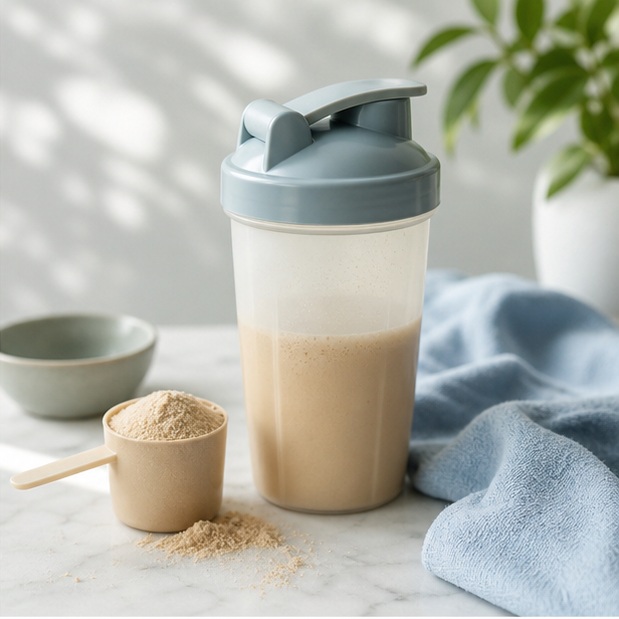
Never look at the price per bag. Always calculate the cost per serving or, even better, the cost per 100g of pure protein. A 1kg bag might be €20, but if it’s only 70% protein, you’re getting less actual protein than a 1kg bag at €25 that’s 90% protein. Divide the total cost by the number of servings, and then compare that number. For instance, a 2.5kg bag of WPC at €50 might seem expensive, but if it offers 80 servings at 24g protein each, that’s roughly €0.63 per serving for 24g of protein. Always do the math.
-
What to Look for on the Label
Don’t just glance at the front. Flip that bag over and check the nutrition facts. Here’s what matters:
- Protein per 100g: This gives you the true purity percentage. Aim for 70% minimum for WPC, 80%+ for WPI.
- Ingredient List: Look for minimal ingredients. ‘Whey Protein Concentrate,’ ‘Whey Protein Isolate,’ ‘Flavoring,’ ‘Sweetener.’ If you see a bunch of random fillers like ‘maltodextrin’ high up on the list for a WPI product, put it back.
- Amino Acid Profile: Reputable brands will show a full amino acid profile, including BCAAs (Leucine, Isoleucine, Valine). This ensures you’re getting a complete protein.
- Sweeteners: Most brands use sucralose or stevia. If you have a preference or sensitivity, check this.
- Third-Party Testing: Some premium brands will mention third-party testing for purity, contaminants, or banned substances. This is a huge plus, especially for athletes. Look for certifications like ‘Informed-Sport’ or similar European equivalents.
-
Beware of ‘Proprietary Blends’
If the label lists a ‘proprietary protein blend’ without breaking down the exact percentages of each protein source, be cautious. It often means they’re using a cheaper protein source (like concentrate) as the majority, even if ‘isolate’ is listed. You won’t know the actual breakdown, which makes it impossible to compare fairly.
-
Watch for Sales, But Don’t Hoard Blindly
Both Myprotein and Bulk run sales constantly. Sign up for their newsletters. You can often get 30-50% off. Buy in bulk during these sales – a 5kg bag is almost always cheaper per kg than a 1kg bag. However, don’t buy 10kg of a flavor you’ve never tried. Get a small bag first, or stick to unflavored if you plan to mix it into smoothies anyway.
My Final Word on European Protein: What I Actually Buy
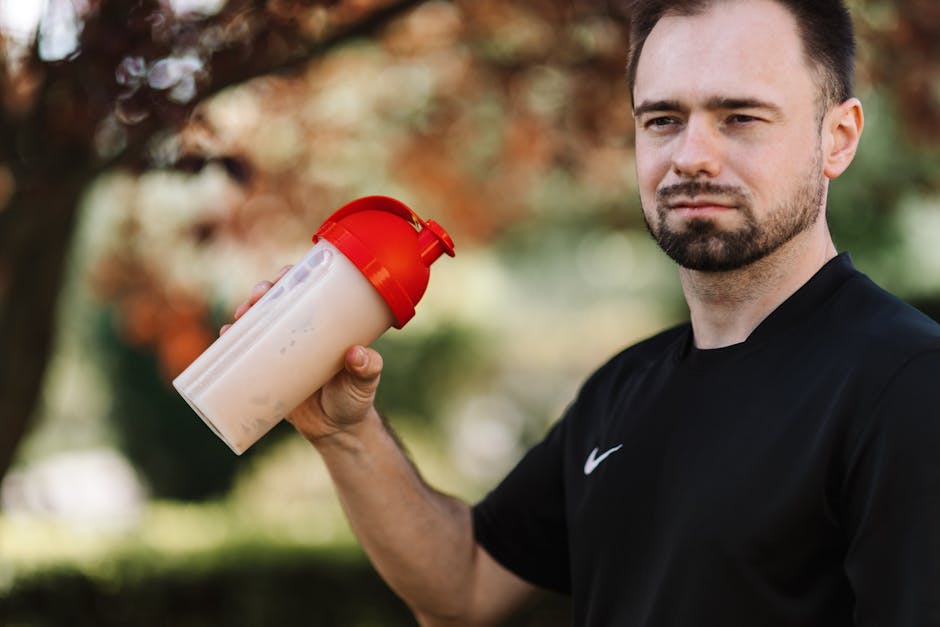
So, after all this trial and error, what do I actually put my money on? If I’m looking for the absolute best value without compromising too much on quality, I’m waiting for a big sale on Myprotein Impact Whey Isolate or Bulk’s Pure Whey Protein. If I want a truly delicious, high-quality shake and don’t mind spending a bit more, I go for ESN Designer Whey. Period. Forget the fancy marketing and the obscure brands; stick to these tried-and-true options available across Europe, and you’ll save yourself a lot of headaches, bad flavors, and wasted cash. Your muscles will thank you, and your wallet will too.