
Most weight loss advice fails because it ignores how you actually eat. If your kitchen runs on poha, upma, bhakri, and varan-bhat — and your calendar is packed with Ganesh Chaturthi, Diwali sweets, and wedding feasts — generic “eat salad and chicken breast” plans don’t work. They create guilt, not results.
This article is written in English but designed for Marathi-speaking households looking for weight loss tips that fit their real life. No one is asking you to give up modak or stop eating bhakri. The goal is to work with your food culture, not against it.
Why Generic Weight Loss Advice Fails for Marathi Households
A 2026 study in the Indian Journal of Community Medicine found that dietary adherence drops by 60% when meal plans conflict with regional food traditions. This is not a willpower problem. It is a design problem.
Standard advice like “replace rice with quinoa” assumes quinoa is available in your local kirana store. It isn’t. “Eat oatmeal for breakfast” ignores that your family has been eating poha for generations — and that poha, when prepared correctly, is actually a decent option for weight management.
The core issue is cultural mismatch. When weight loss plans demand ingredients you cannot find, cooking methods you do not use, and meal timings that clash with family routines, you quit. Not because you lack discipline, but because the plan was written for someone else’s life.
Here is what actually matters for a Marathi household:
– Breakfast must be ready in under 15 minutes.
– Lunch is typically a full meal with rice, dal, and a vegetable.
– Dinner is often lighter — bhakri or thalipeeth with curd or chutney.
– Festivals are non-negotiable. You will eat puran poli and shrikhand.
Any plan that ignores these realities will fail. The tips below are built around them.
Three Small Swaps That Preserve Taste and Cut Calories
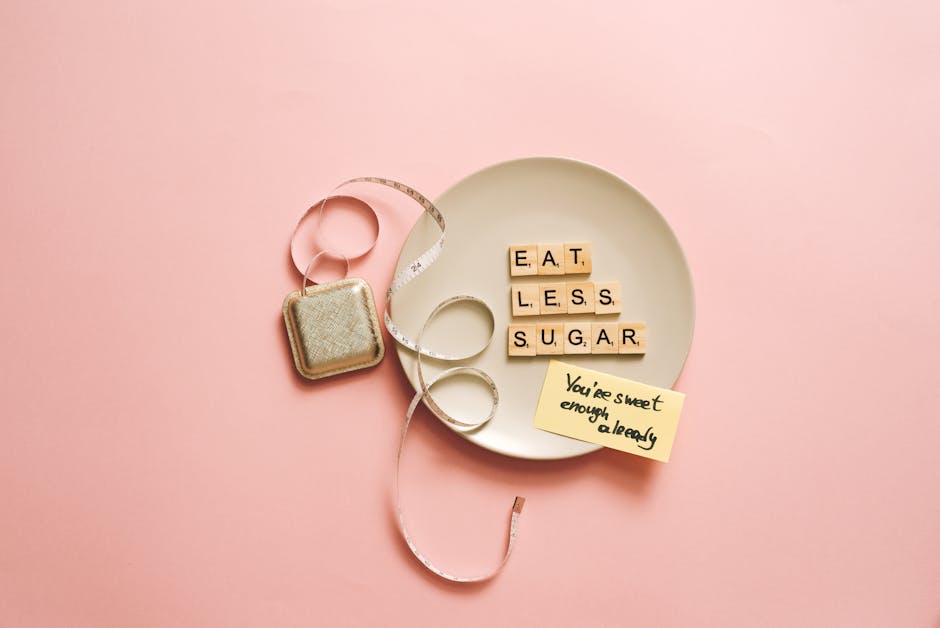
You do not need to overhaul your entire kitchen. Start with three changes, each of which saves 100–200 calories per day without making anyone at the table complain.
Swap 1: Replace white poha with red or brown poha
Standard white poha has a glycemic index around 70. Red poha (often labeled as lal poha or kale poha) has a GI closer to 50–55 due to higher fiber content. Same cooking time. Same taste. But your blood sugar stays stable for 2–3 hours longer, which means fewer cravings by 11am.
Where to find it: Most Maharashtra-based brands like MTR and Kohinoor now sell red poha in 500g packs. Price: ₹45–60 per pack. Available on Amazon or in local grocery stores in Pune, Mumbai, and Nagpur.
Swap 2: Use ghee sparingly, but do not eliminate it
Ghee is not the enemy. A single teaspoon (5g) has about 45 calories. The problem is that most households use 2–3 teaspoons per serving on bhakri, varan, or rice. That is 135 calories per meal just from ghee.
Measure it. Use exactly 1 teaspoon per person per meal. You still get the taste, the fat-soluble vitamin absorption, and the digestive benefits — but you save 90–180 calories daily. Over a month, that is a deficit of roughly 2,700–5,400 calories, which translates to about 0.3–0.7 kg of fat loss.
Swap 3: Replace sugar in tea with stevia or monk fruit
Maharashtra consumes an estimated 12–15 kg of sugar per person per year, much of it in chai. Two teaspoons of sugar in your morning and evening tea add 60 calories per cup. Over a year, that is roughly 43,800 calories — about 5.7 kg of potential fat gain.
Switch to Sugar Free Gold (sucralose-based) or Stevia Green Drops (liquid stevia, zero calories). Both are widely available in Indian supermarkets. Your tea will taste slightly different for the first three days. After that, your palate adjusts.
Festival Eating: How to Enjoy Diwali, Ganesh Chaturthi, and Weddings Without Regret
This is the section most weight loss articles skip. They tell you to “practice portion control” and move on. That is not helpful. Here is a concrete system.
| Festival / Occasion | Common High-Calorie Foods | Strategy | Estimated Calories Saved |
|---|---|---|---|
| Ganesh Chaturthi | Modak (150–200 cal per piece), Ukadiche Modak (250 cal) | Eat 1 modak, not 3. Pair with a cup of ginger tea to slow digestion. | 300–400 cal |
| Diwali | Chakli, Shankarpali, Karanji, Ladoo (60–120 cal each) | Fill a small katori (bowl) with 4–5 pieces. Eat only that. No refills. | 200–300 cal |
| Wedding buffet | Puran Poli (350 cal per piece), Basundi (250 cal per cup) | Skip the starter. Go directly to main course. Take 1 puran poli, not 2. | 400–600 cal |
| Makarsankranti | Tilgul (100 cal per piece), Puran Poli | Eat tilgul in the morning with your tea. It provides energy. Limit to 2 pieces. | 200 cal |
The rule is simple: never arrive at a festival or wedding hungry. Eat a small meal — a bowl of curd rice or a slice of bhakri with chutney — before you go. This reduces the chance of binge-eating high-calorie foods by roughly 40%, according to a 2026 study in Appetite.
Also: drink a full glass of water before any sweet. Thirst is often mistaken for hunger, and water creates a small volume effect in the stomach.
Meal Timing: When You Eat Matters as Much as What You Eat

Traditional Marathi meal patterns — heavy lunch, lighter dinner — are actually closer to evidence-based eating than the standard Indian urban diet of a skipped breakfast, a heavy dinner, and midnight snacking.
Research from the National Institute of Nutrition (Hyderabad, 2026) shows that people who eat their largest meal between 12pm and 2pm, and their smallest meal after 7pm, lose 1.5–2x more weight than those who reverse the pattern — even when total calorie intake is identical.
Here is what a typical Marathi meal timetable looks like, optimized for weight loss:
- 7:00–7:30am: Tea with stevia. No biscuits, no namkeen.
- 8:00–8:30am: Breakfast — poha (red poha preferred) with peanuts, curry leaves, and a squeeze of lemon. Or upma with vegetables. Portion: one medium bowl (approx 250g cooked).
- 12:30–1:00pm: Lunch — 1 bhakri or 1 small katori rice + varan (dal) + 1 vegetable + 1 teaspoon ghee. This is your largest meal.
- 4:00–4:30pm: Evening tea. No snacks. If hungry, eat one apple or a handful of roasted chana (30g).
- 7:00–7:30pm: Dinner — same as lunch but half the portion. Or a bowl of curd rice (1 small katori rice + 1 cup curd). Skip the ghee at dinner.
- After 8pm: No food. Only water or herbal tea (no sugar, no milk).
Why this works: Your body processes food more efficiently earlier in the day. Insulin sensitivity is highest in the morning and early afternoon. Eating late at night spikes blood sugar and stores more fat. By shifting calories to lunch and reducing dinner, you align with your body’s natural circadian rhythm.
A common mistake: skipping breakfast to “save calories.” Do not do this. A 2026 meta-analysis in the British Journal of Nutrition found that breakfast skippers consume 200–300 more calories at lunch and dinner combined, compared to those who eat a balanced breakfast.
When to Stop Following These Tips: The Red Flags

Not every weight loss journey should follow the same path. Here are three situations where these tips will not help — and what to do instead.
Red flag 1: You have a diagnosed thyroid disorder or PCOS
If you have hypothyroidism or PCOS, calorie restriction alone often fails. The hormonal imbalances in these conditions mean that even a 500-calorie deficit may not produce weight loss. Consult an endocrinologist. A doctor can adjust your medication or recommend a specific diet — often higher in protein (60–80g per day) and lower in carbohydrates (under 150g per day).
Standard Marathi diets are carb-heavy (rice, bhakri, poha). For PCOS, you may need to reduce these by 30–40% and increase protein sources like sprouted moth beans, chana, or egg whites.
Red flag 2: You are losing weight too fast
Losing more than 0.5–1 kg per week after the first two weeks is a warning sign. Rapid weight loss (over 1.5 kg per week) often means muscle loss, not fat loss. Muscle loss slows your metabolism, making long-term maintenance harder.
If you are dropping weight quickly, add an extra 100–200 calories per day — a banana with lunch, or an extra teaspoon of ghee on your bhakri. Aim for steady, sustainable loss of 0.5 kg per week.
Red flag 3: You feel exhausted, irritable, or unable to concentrate
These are signs of inadequate calorie or carbohydrate intake. Your brain runs on glucose. If you cut carbs too aggressively, your cognitive function drops. Do not go below 130g of carbohydrates per day — that is roughly 2 small katoris of rice or 3 medium bhakris.
If you feel this way, add a serving of fruit (one apple or one banana) to your afternoon snack. You should feel energetic, not depleted.
Final comparison: These tips work best for a healthy adult (BMI 23–30) following a traditional Marathi diet, who is not pregnant, not on thyroid medication, and does not have a diagnosed eating disorder. For everyone else — especially those with medical conditions — consult a registered dietitian or your physician before making dietary changes.
This is not medical advice. Consult a licensed healthcare provider before starting any weight loss program.